
University College Dublin
Project Sonic is currently at phase two of an investigation into the practicalities and viabilities 3D Structured hollow microneedle systems
Phase One: Market Investigation of UCD Microneedle Technology
- Microneedle Potential Therapy Areas
- Characterisation of UCD microneedle technology
Completed
Phase Two: – Market exploration and partnership development
- Refine and consolidate the unmet needs in discussion with solution providers
- External review with KOLs of the following:
- User Requirements Specification and Functional Requirements Specification
- Concept design
- Technical risks and mitigation measures
Underway
Needle phobia and patient injection pain are known issues with injected drug therapies.
These issues became particularly acute during the COVID-19 vaccination programme. Microneedles address many of the shortcomings of injection systems with additional benefits including preventing needle stick injuries.
Kestrel is working on phase 2 of this UCD to identify specific clinical applications and developing routes to market with commercial partners to bring this exciting and much-needed technology to patients.
Why consider microneedles instead of traditional intradermal injections?
Needle phobia (50% of children; 25% of adolescents; 10% of general population)
- Reduced pain due to <1.0mm needles
- Reduced risk of needle stick injuries
- Enables patient self-administration
- Extends drug delivery duration
- Manages peak drug concentration and limits saturation
Common misconceptions with regards to use of microneedles
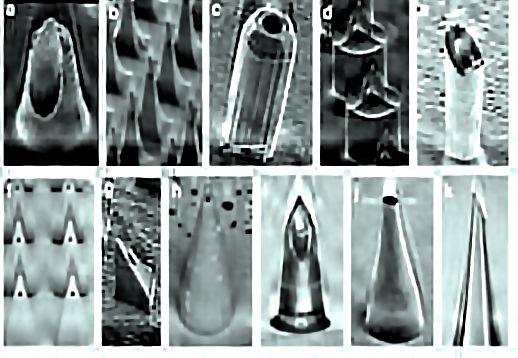
- Microneedles are expensive – X
- Microneedles can only deliver a very small dose volumes – X
- Microneedles can only be used for topical treatments – X
- Microneedles are brittle – X
- Microneedles cannot be manufactured in large volumes – X
- Microneedles are only available in small arrays – X
- Microneedles are only usable with low viscosity formulas – X
Think again!
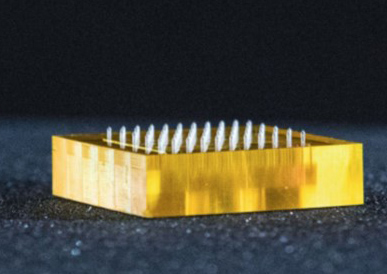
- Moulded hollow microneedle design reduces costs and unlocks high-volume manufacture
- Wide choice of material options reduces risk of brittle material fragments, lowers Cost of Goods and offers flexible substrate options
- 3D needle design injecting at different skin depths reduces drug saturation and increases intradermal drug absorption rate, increasing delivery rates
- Large and scalable needle array (>100) enables larger injection volumes over wider area
- Multiple parallel flow channels allow delivery of viscous, high molecular weight compounds without damaging high shear rates
- Suitable for multiple topical and systemic drug delivery regimes